Why Older Homes in Joliet Are Prone to Foundation Problems
If you own a home in Joliet, there is a good chance your house has stood through decades of freeze-thaw cycles, heavy spring rains, and the slow shifting of clay-rich soil. Many of the city's older neighborhoods feature homes built in the early to mid-1900s, often with poured concrete or block foundations that were never designed with modern drainage in mind. Over time, these foundations absorb moisture, develop hairline cracks, and begin to show the telltale signs of foundation problems signs that homeowners should never ignore.
The problem is that foundation damage rarely happens overnight. It creeps in quietly, starting with a small crack in the basement wall or a slight bow in the blockwork. By the time a homeowner notices a sticking door or a sloping floor, the issue may have been developing for years. Understanding what to look for below grade is the first step toward protecting your investment and avoiding costly older home foundation repair down the road.
Basement Wall Cracks: What They Mean and When to Worry
Not all basement wall cracks are created equal. Hairline vertical cracks are common in poured concrete foundations and often result from the concrete curing and settling during the first few years after construction. These are usually cosmetic and may only allow minor seepage. However, horizontal cracks, stair-step cracks in block walls, and cracks wider than a quarter inch are red flags that warrant a professional inspection. Horizontal cracks often indicate soil pressure pushing against the wall, while stair-step cracks in masonry suggest settlement or movement of the footing.
In older Joliet homes, it is also common to find cracks that have been patched multiple times by previous owners. If you see efflorescence (a white, powdery deposit) or rust stains along a crack, that is a sign water has been moving through it for some time. A thorough evaluation by a waterproofing professional can determine whether the crack is structural or simply a moisture issue, and whether Foundation Waterproofing is the right solution.
Bowing Basement Walls and Other Structural Warning Signs
A bowing basement wall is one of the most serious signs of foundation trouble. When a wall bows inward, it means the soil outside is exerting pressure that the wall was never designed to withstand. This is especially common in older homes where the original drainage systems have clogged or failed. You may notice the wall leaning away from you when you stand at the base of the stairs, or you might see gaps forming at the top of the wall where it meets the floor joists. In severe cases, the wall can crack horizontally and begin to displace.
Other structural warning signs include doors and windows that stick or no longer latch properly, floors that feel uneven or slope toward the center of the room, and gaps between the exterior walls and the foundation. If you notice any of these issues, it is time to call a professional. Basement Waterproofing and structural repair go hand in hand, and addressing the water source is often the key to stabilizing the foundation. For homeowners in nearby Plainfield and Shorewood, the same soil conditions apply, so vigilance is essential.
Historic Home Waterproofing: Special Considerations for Older Properties
Historic home waterproofing requires a different approach than waterproofing a new construction. Older homes often have rubble stone or brick foundations that were built without modern damp-proofing materials. These foundations are naturally porous and rely on exterior drainage and interior ventilation to stay dry. Applying modern sealants or waterproof coatings to the interior of a historic foundation can trap moisture and cause the masonry to deteriorate faster. Instead, the goal is to manage water before it reaches the foundation and to allow the walls to breathe.
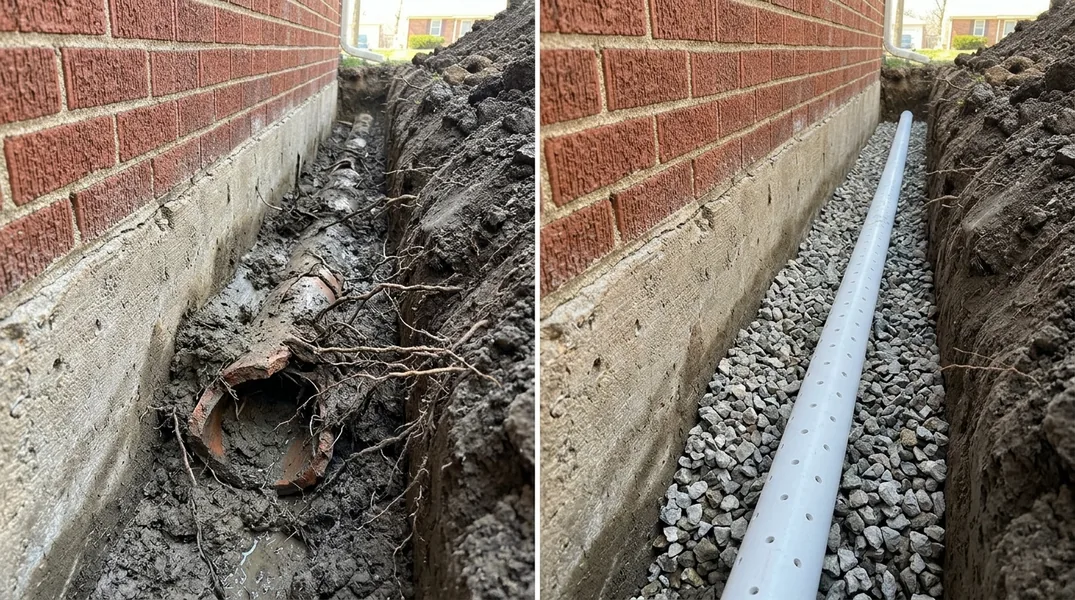
In many cases, the best solution for an older home is an Interior Drain Tile System combined with proper grading and downspout extensions. This approach collects water at the base of the wall and directs it to a sump pump without altering the historic character of the foundation. For more severe cases, Exterior Basement Waterproofing may be necessary to relieve hydrostatic pressure and protect the structure. A local expert can help you weigh the options and choose the method that preserves your home's integrity.
Foundation Problems Near Me: When to Call a Joliet Waterproofing Pro
If you have noticed any of the signs discussed above, do not wait for the problem to worsen. Foundation issues tend to accelerate once water finds a path into the structure. A small crack can become a major leak, and a slight bow can turn into a structural emergency. Calling a professional early can save you thousands of dollars in repairs and help preserve the value of your home. Contact Joliet Waterproofing at (815) 768-2601 to schedule a free estimate and get a clear assessment of your foundation's condition.
When you search for "foundation problems near me" in the Joliet area, you want a company that understands the local soil, weather patterns, and the unique challenges of older homes. Our team has seen it all, from minor seepage to full-scale wall failure, and we can recommend the right solution for your budget. Whether you need a simple crack repair or a full drainage system, we are here to help you protect your home for the long haul.
Looking for a professional basement waterproofing contractor in Joliet? Joliet Waterproofing responds fast for all your basement waterproofing needs.
Get a Free QuoteOur services: Basement Waterproofing · Interior Drain Tile System · Exterior Basement Waterproofing