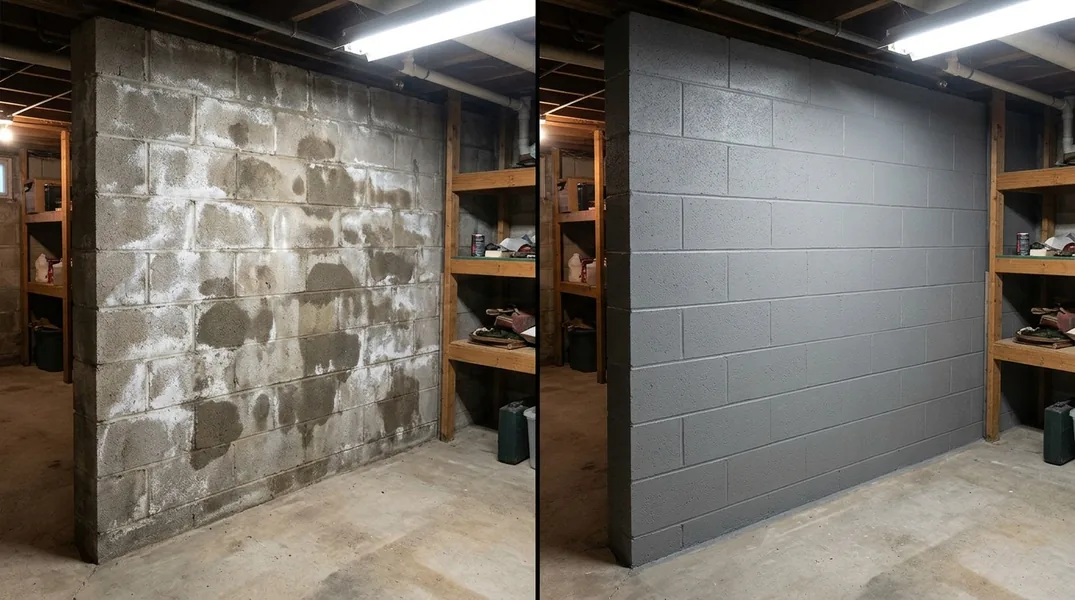
Why Spring Is the Riskiest Season for a Joliet Basement
Spring in Joliet brings two powerful forces together: melting snow and heavy April rain. As the ground thaws, water that was locked in ice for months suddenly has nowhere to go. The soil around your foundation becomes saturated, and hydrostatic pressure builds against your basement walls. At the same time, the Des Plaines River and local creeks can swell beyond their banks after a few days of steady rain, raising the water table across low-lying neighborhoods.
For homeowners, this combination creates the perfect conditions for Joliet basement flooding. Water finds the smallest cracks in poured concrete, seeps through block walls, and pushes up through floor joints. Even a basement that stayed dry all winter can show dampness, white efflorescence, or standing water by late March. Understanding these seasonal patterns is the first step toward protecting your home before the next storm arrives.
Des Plaines River Flooding and Storm Flooding: What Joliet Homeowners Should Know
The Des Plaines River is a major factor in local flood risk. When spring rains combine with snowmelt upstream, river levels can rise quickly, and low-lying areas near the river and its tributaries are often the first to feel it. Des Plaines River flood basement issues are not limited to homes directly on the water. Saturated ground and rising groundwater can affect properties blocks away, especially in older neighborhoods with clay-heavy soil that drains slowly.
Storm flooding basement problems also come from above. Heavy rain overwhelms gutters and downspouts, sending water straight to your foundation instead of away from it. If your downspouts discharge too close to the house or your yard slopes toward the walls, every storm adds pressure. A professional assessment can identify whether your risk comes from river-level groundwater, surface runoff, or both, and that distinction shapes the right Basement Waterproofing strategy for your home.
Seasonal Basement Leaks: Warning Signs You Should Not Ignore
Seasonal basement leaks often start small. You might notice a musty smell, damp patches near the base of the walls, or paint peeling on the lower block courses. These are early signals that moisture is moving through the foundation. Cracks that look hairline in January can widen as the ground shifts during freeze-thaw cycles, and water that seeps in during April can lead to mold, damaged insulation, and ruined storage within weeks.
Other signs include rust on basement appliances, efflorescence (the white powdery residue on concrete), and floors that feel damp even when there has been no recent rain. If you see any of these, it is worth scheduling a free estimate before the next storm system moves through. Catching seasonal basement leaks early usually means a simpler, less expensive fix than waiting for a finished basement to flood.
Flood Prevention: Practical Steps Before the Next April Storm
Flood prevention starts outside. Clean your gutters, extend downspouts at least six to eight feet from the foundation, and make sure the ground slopes away from the house. Check that window wells are clear and covered. If your driveway or patio slopes toward the garage or basement door, a simple threshold or drainage channel can redirect water. These steps reduce surface water reaching your foundation, but they do not address groundwater pressure or cracks that have already formed.
For lasting protection, homeowners in Shorewood and Plainfield face the same spring challenges, and the solutions are similar. An Interior Drain Tile System captures water that reaches the floor and directs it to a sump pump, while Exterior Basement Waterproofing addresses the source by sealing and draining the outside of the foundation. In many cases, a combination of both, along with Foundation Waterproofing for crack repair, provides the most reliable defense against spring flooding.
Basement Waterproofing Near Me: When to Call a Professional in Joliet
Some homeowners can manage minor dampness with a dehumidifier and better grading, but recurring leaks, standing water, or cracks that keep returning are signs you need a professional evaluation. If your basement has flooded once during a spring storm, it will likely flood again without a permanent solution. A local contractor who understands Joliet soil conditions, river proximity, and typical foundation styles can recommend the right approach instead of a one-size-fits-all fix.
Joliet Waterproofing serves homeowners across the area, including Romeoville, and can inspect your basement, identify the source of the water, and explain your options in plain language. To schedule a visit or ask about pricing, call (815) 768-2601. Getting ahead of spring thaw and April storms now is far easier than cleaning up after a flooded basement later.
Looking for a professional basement waterproofing contractor in Joliet? Joliet Waterproofing responds fast for all your basement waterproofing needs.
Get a Free QuoteOur services: Basement Waterproofing · Interior Drain Tile System · Exterior Basement Waterproofing